
When You’re Healed Enough To Stop Chasing… And Then You Watch Someone Self-Sabotage Anyway
Updated: Feb 17
A diary-entry style reflection on disorganised attachment, “being the trigger,” and the reality-warp that comes after.

Somehow, me being calm was what triggered him.
That sentence still feels wild to type, because for most of my life, I was the triggered one. I was the one who could feel a tiny shift in someone’s tone, and suddenly my whole body would go into threat response. I was the one who would read silence as rejection, neutrality as distance, and “I’m just having a normal day” as “you’re leaving me.” So when this situation unfolded, what shook me wasn’t just the ending... it was what it revealed about how attachment styles actually play out in real-time, and how much my own reality used to be shaped by dysregulation.
Because the thing is, when you’re spiralling, you genuinely believe you’re seeing the truth.
You’re not thinking, My attachment system is activated, and I’m projecting old pain onto a neutral moment. You’re thinking, I can feel it. Something’s off. They’re pulling away. They’re lying. They’re trying to control me. They don’t care.
It doesn’t feel like a story. It feels like intuition. It feels like your gut. It feels like you’d be stupid not to trust it.
And then… you heal.
Slowly. In layers. Through grief, therapy, self-awareness, coaching, boundaries, nervous system work, a million tiny moments of choosing yourself. And one day you realise you can feel discomfort without launching into panic. You can ask for clarity without collapsing into shame. You can be disappointed without turning it into a whole identity crisis. You can like someone and still stay in your body.
I didn’t realise just how far I’d come until I was sitting across from someone who hadn’t.
The part that surprised me: I actually liked him… a lot
I need to make something really clear, because I think this is the piece people miss when they talk about “healed” dating.
I didn’t stay regulated because I didn’t care. I didn’t stay calm because I wasn’t invested. I didn’t stay steady because I didn’t like him enough to get activated.
If anything, I liked him more than I’ve liked anyone in a long time.
He was hot. Like annoyingly hot. The kind of hot that old me would’ve thought I had absolutely no chance with. Old me would’ve been nervous, hyperaware, trying to be perfect, trying not to “mess it up,” trying to secure it. And yet, this version of me was calm. Not because I wasn’t feeling it, but because I wasn’t abandoning myself to keep it.
And that’s what made the whole thing even more surreal. Because it wasn’t one of those situations where I can tell myself, Meh, I didn’t even like him that much anyway. No. I did. I genuinely did.
Which is why the next part felt so soul-destroying.
Watching someone self-sabotage in slow motion is its own kind of grief
There’s a specific kind of pain that comes from watching someone ruin something they want… while they’re convinced you’re the problem. It’s like watching someone walk toward a cliff with their eyes open, and you’re just stood there waving your arms like, “Mate… please… you’re about to do the thing again,” but you can’t reach into their nervous system and rewire it for them. You can’t make them feel safe inside connection if connection has always equalled danger for them.
And because I used to be him, I could see the mechanics unfolding before the explosion even happened. I could feel the nervous system scan. The testing. The subtle pressure for reassurance. The way calm was being misread as distance. The way normal life was being received as abandonment.
And that’s the part that’s messed with my head more than anything: I wasn’t doing anything “wrong.” I was just being a person.
I needed a shower. I needed ten minutes of quiet. I had work. I had yoga. I had a life. I wasn’t performing closeness every second to prove I was interested. I wasn’t gushing, emoting, clinging, or over-explaining, not because I was withholding, but because I was comfortable. I was relaxed. I was present.
And somehow, that was the threat.
How harmless behaviours can become “abandonment” in a disorganised system
If you’ve never been inside disorganised attachment (also called fearful-avoidant), it can be really hard to understand why someone flips so fast. One minute they’re warm, intimate, futurey. The next minute, they’re cold, accusing, rewriting the whole story like you’ve personally ruined their life by… existing as a human being with needs.
But when you translate it into nervous system language, it becomes painfully clear.
In a disorganised system, love isn’t associated with calm. Love is associated with unpredictability. Love equals intensity. Love equals hypervigilance. Love equals chasing, proving, fixing, performing.
So when something stable arrives, someone regulated, boundaried, emotionally consistent, the body doesn’t always relax... it panics. Because stability feels unfamiliar, and unfamiliar can feel dangerous. The nervous system goes: This doesn’t feel like love. This feels like the moment before I get hurt.
And then the protective strategies kick in.
Me having a shower wasn’t “I’m fine, I just need to wash and breathe.” It became: You’re withdrawing.
Me napping wasn’t “I’m tired.” It became: You’re pulling away.
Me not being overly performative wasn’t “I’m comfortable with you.” It became: You don’t like me that much.
Me saying no to a small request wasn’t “I have a boundary.” It became: You’re rejecting me.
And the most heartbreaking part? He probably didn’t even know that’s what was happening. Because when someone is in threat response, they’re not looking for truth... they’re looking for safety. And if safety has historically come from control, then control becomes the goal.
So the dynamic becomes: I need to make you the problem so I can regulate my shame. Because if I can convince myself you’re unstable, you’re immature, you’re “bad vibes,” then I don’t have to face the fact that I’m terrified of intimacy. I don’t have to face the grief underneath it. I don’t have to feel the vulnerability of wanting you.
It’s not romantic. It’s not “twin flame.” It’s not “passion.” It’s dysregulation wearing a sexy outfit.
The moment I realised: I’ve lived in a warped reality before
This is the part that’s genuinely fucked with my head, because it’s made me reflect on my past relationships in a completely different way.
There are relationships where I was adamant that the other person was trying to hurt me. Control me. Manipulate me. There are moments I accused people of things I genuinely believed were true. I trusted it with my whole chest. I would’ve sworn on my life I was right.
And now, being the secure one in this dynamic, I’m looking back and thinking… what if a lot of what I called “intuition” was actually activation? What if I wasn’t wrong for feeling what I felt, but I was wrong about what it meant?
Because I can see how a harmless behaviour can be received as a threat when you’re dysregulated. I can see how a “tone shift” can become a whole narrative. I can see how not getting immediate reassurance can make your body start scanning for danger like a radar.
And honestly, that realisation is heavy. Not in a shameful way, but more like grief. Because it means there were times I probably pushed away people who weren’t actually trying to abandon me. I was just living inside a nervous system that expected abandonment as the default.
And here’s what’s even more intense: I don’t say that to blame myself. I say it because I finally understand how convincing dysregulation can be. You’re not lying. You’re not being dramatic. You are genuinely experiencing reality through a threat lens.
But that doesn’t make the lens accurate.
Want vs need: what disorganised attachment often craves in those moments
When someone is disorganised, what they want in the moment is usually:
immediate reassurance
emotional pursuit (prove you care, prove you’re not leaving)
intensity as a substitute for safety
you collapsing into over-explaining, apologising, smoothing, fixing
you abandoning your boundary so they don’t have to feel discomfort
Because that feels like relief.
But what they need is different... and this is the part that hurts: They need internal capacity. They need the ability to self-regulate. They need to tolerate closeness without control. They need to learn that calm doesn’t equal danger. They need to feel their shame without exporting it as anger. They need to be able to repair instead of rewrite reality.
And you can’t do that for them.
You can’t love someone into nervous system safety if their system is committed to misunderstanding you as a protective strategy. You can’t force your tenderness to “land” when their body is translating everything through threat.
This is why trying to end things with love can feel like talking to a brick wall. Not because love isn’t powerful, but because love doesn’t compute in a system that is offline.
When someone is flooded, care reads as manipulation. Calm reads as cold. Repair reads as control. A boundary reads as rejection. And the story they tell themselves is the only way they can survive the vulnerability of the moment.
The bit that made me proud: I didn’t become who I used to be
There was a time when I would’ve chased. I would’ve defended myself. I would’ve tried to make him “understand.” I would’ve turned into a full PowerPoint presentation of my innocence, backed by evidence, timelines, and a nervous breakdown.
But I didn’t.
I stayed clear. I stayed calm. I told the truth. I didn’t abandon myself. I didn’t punish. I didn’t disappear as a power move. I just… chose self-respect.
And I think that’s the biggest marker of healing I’ve ever experienced: not that I never get triggered, not that I don’t care, not that I’m above it all... but that I can stay loyal to myself even when someone else is spiralling.
I can be a safe person without becoming a doormat.
I can be loving without becoming responsible.
I can be open without becoming available for emotional abuse dressed up as “nervous system boundaries.”
The maddest part is: I genuinely liked him.
That’s what made it hit so hard, because this wasn’t me being calm because I didn’t care, or me only staying regulated because I wasn’t invested. I liked him… probably more than I’d liked anyone in a long time. And yet I still didn’t abandon myself to keep the connection alive. That’s the difference now.
Not that I don’t feel things, or that I’m “too healed” to get attached… But that I can feel desire and stay in reality.
And if you’re in a place where you’re waking up to the fact that your nervous system once called fear “truth”, I just want you to know: that’s not you going backwards… that’s you getting your sight back.
What I learned (and what you might need to hear too)
If you take nothing else from this, take this:
Your body can be activated and still be wrong about the story it’s telling you.
The feeling is real. The interpretation might not be.
Neutrality is not rejection.
If you only feel safe when someone is chasing you, that’s not chemistry... that’s a wound.
Boundaries expose people quickly.
A simple “no” will reveal more than a hundred deep conversations.
You can’t repair with someone who’s committed to rewriting reality.
You can offer love, clarity, softness... but you cannot make it land.
It’s possible to like someone deeply and stay regulated.
Healing doesn’t mean you stop desiring. It means you stop abandoning yourself to secure desire.
And the big one:
If you’re reading this and you recognise yourself in the spiralling, you're not doomed... but you are responsible.
Because until you learn to regulate your system, love will keep feeling like danger, and you will keep confusing calm with abandonment.
Reflection prompts (because you know I can’t not give you homework)
When you’ve felt “intuition” in dating, how often was it actually fear? What patterns repeat?
Do you associate intensity with love? What does calm feel like in your body, soothing or suspicious?
What harmless behaviours trigger you most: tone shifts, plans changing, delayed replies, independence, boundaries?
Do you tend to chase, freeze, get cold, get loud, or get “spiritual” when you feel unsafe?
If someone didn’t mean to hurt you, but your body believed they did… what would that change about your past?
What would “earned secure” dating look like for you in practical terms? (Slower pace, no sleepovers early, clear plans, real dates, leaving while it still feels good.)
Who are you when you don’t have to decode anyone?
If you just read this thinking, “Oh… that’s me. I’ve been living inside my trigger responses,” then babe, welcome. This is the moment things start changing.
Book a 1:1 session and we’ll pull your pattern apart with compassion and logic, so you can stop dating from survival mode.
WhatsApp me and tell me what you’re currently stuck in, and I’ll reply with what I’d do first if you were my client.
A quick note from me…

Hello,
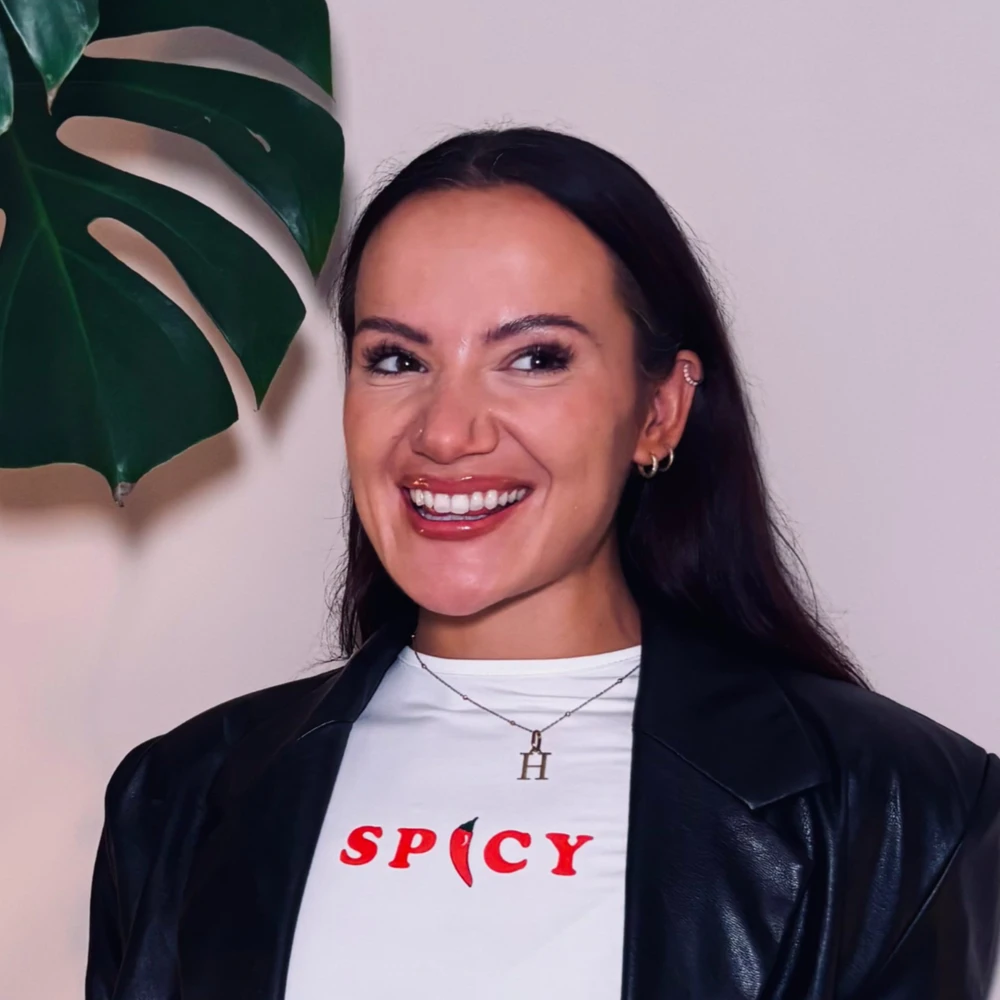
I’m Hannah, a holistic empowerment coach and Reiki Master. I write about energy, healing, and the real-life stuff that comes with becoming the version of you who actually feels safe in her own body.
If you’d like support, you can explore my sessions and offerings below.


Comments